Thinking about selling your home in Pickens and not sure where to price it? You’re not alone. In today’s more balanced market, the right price does the heavy lifting. Price too high and you risk a stale listing. Price too low and you leave money on the table. In this guide, you’ll learn how a local agent builds a defensible price, what makes Pickens properties unique, and a practical 6–12 month plan to launch with confidence. Let’s dive in.
Why pricing in Pickens matters now
The Pickens market has cooled from the frenzy of 2020–2021. The typical home value in the City of Pickens is around $265,365, based on Zillow’s ZHVI trend through January 31, 2026. You can review the city-level trend in the latest Zillow home value index for Pickens.
Across the broader area, county-level numbers read higher. Redfin reports a median sale price near $357,000 for Pickens County as of January 2026, reflecting the mix of homes across city, suburbs, and rural areas. See the Pickens County median sale price snapshot for context.
Local association briefs point to more inventory and months’ supply sometimes moving above 5.0 during 2025, which signals a move toward balance. That means well-priced, well-presented homes still sell, but buyers have options. You can scan a recent Pickens County REALTORS market brief to see how inventory and days on market are trending.
What it means for you: precise pricing and strong presentation matter more today. City vs. county averages can differ, and listing prices do not equal final sale prices. Your best anchor is a local CMA built from recent MLS closed sales near your home.
How a strategic list price is built
Define your micro-market and buyer
Start small. Your agent will identify the tightest market that truly compares to your home: your street, your subdivision, or nearby pockets with similar homes and lot sizes. This supports realistic pricing and aligns with how buyers search. Agents also confirm details like lot lines and school zones using county GIS tools. Appraisal best practices support this micro-market approach; see the Appraisal Institute’s guidance on comparable selection and adjustments.
Build and weight your comps
Your CMA should prioritize closed sales first, then pending sales, then active listings for competitive context. In slower or low-volume areas, agents may look back 6–12 months, but they explain any time adjustments. The goal is a comp set that mirrors your home’s location, size, condition, and lot.
Make data-driven adjustments
Adjustments account for differences like living area, beds/baths, age, condition, kitchen and bath updates, lot size and topography, view, garage or parking, and street position. Skilled agents and appraisers use paired-sales analysis or local price-per-square-foot trends to support adjustments, not guesswork. The method matters more than the exact number because it creates a clear, defensible path to price.
Reconcile price per sqft and AVMs
Your agent will calculate price per square foot for the comp set and compare it to your home’s features and condition. Online estimates like Zestimates can provide a quick range, but they miss interior quality and upgrades. When sources disagree, your CMA should prioritize verified MLS sales.
Price positioning and launch plan
Use price bands and search filters
Most buyers use search filters with round-number brackets. Pricing at a strategic level can place your home in a broader pool of searches. For example, $249,900 reaches buyers capped at $250,000, while $250,000 reaches both the $250,000 and $250,000–$300,000 brackets on many sites. Small changes can shift which buyers see your home.
Set a 2–3 week review window
Plan to review traffic and feedback within the first 14–21 days. If showings are weak and nearby listings are moving, a meaningful price adjustment that changes your filter bracket can help. Industry guidance suggests one well-timed adjustment often outperforms multiple tiny cuts. Learn more about timing and right-sizing a price change from this pricing strategy overview.
Watch the signals
Track week-one and week-two showings, online saves, and private feedback from agents who toured. Compare your activity to similar listings. If you’re winning on presentation but losing on value, the price is likely the lever.
What changes the math in Pickens
Subdivisions near town
In established neighborhoods close to town, product types are more consistent. That makes pricing by recent neighborhood sales more precise. For example, the Club Ridge area (Country Club Estates) shows how a defined, established subdivision supports tight comp selection. You can see a brief neighborhood overview of Club Ridge to understand how subdivisions are cataloged.
Short example: A 1990s 3-bedroom in an established Pickens subdivision will usually use comps from within 0.5 mile over the last 3–6 months, adjusted for updates, lot, and condition. The CMA should include photos of comp interiors to align quality levels.
Clemson, lakes, and mountain proximity
Parts of Pickens County attract different buyer pools because of Clemson University, Lake Keowee, and nearby recreation areas. Demand from students, university employees, or second-home buyers can influence pricing and time on market. University enrollment and regional presence provide helpful context; you can browse Clemson University’s institutional data hub to see the scale of local drivers.
Rural homes and acreage
Acreage and rural properties price differently. Buyer pools are smaller, and key drivers include total acreage, usable land, views, road access, utilities, and any deed restrictions. Comps may come from a wider radius and rely on per-acre or highest-and-best-use analysis rather than strict price-per-square-foot math.
Short example: A 10-acre parcel outside town may pull comps 5–15 miles away and adjust per acre and site quality. Expect longer marketing times and be ready to document surveys, well and septic details, access, and restrictions.
Your 6–12 month seller roadmap
6–12 months before listing
- Interview and select a local agent who will run MLS-based CMAs and outline a marketing plan. Ask for 6–12 recent comps with clear adjustments and the likely target buyer. Local market briefs from the association add helpful context; review a Pickens County REALTORS market highlight.
- If your home is older or you’re unsure about systems, consider a pre-listing inspection. It can surface issues early so you can fix or disclose and avoid surprises.
3–6 months before listing
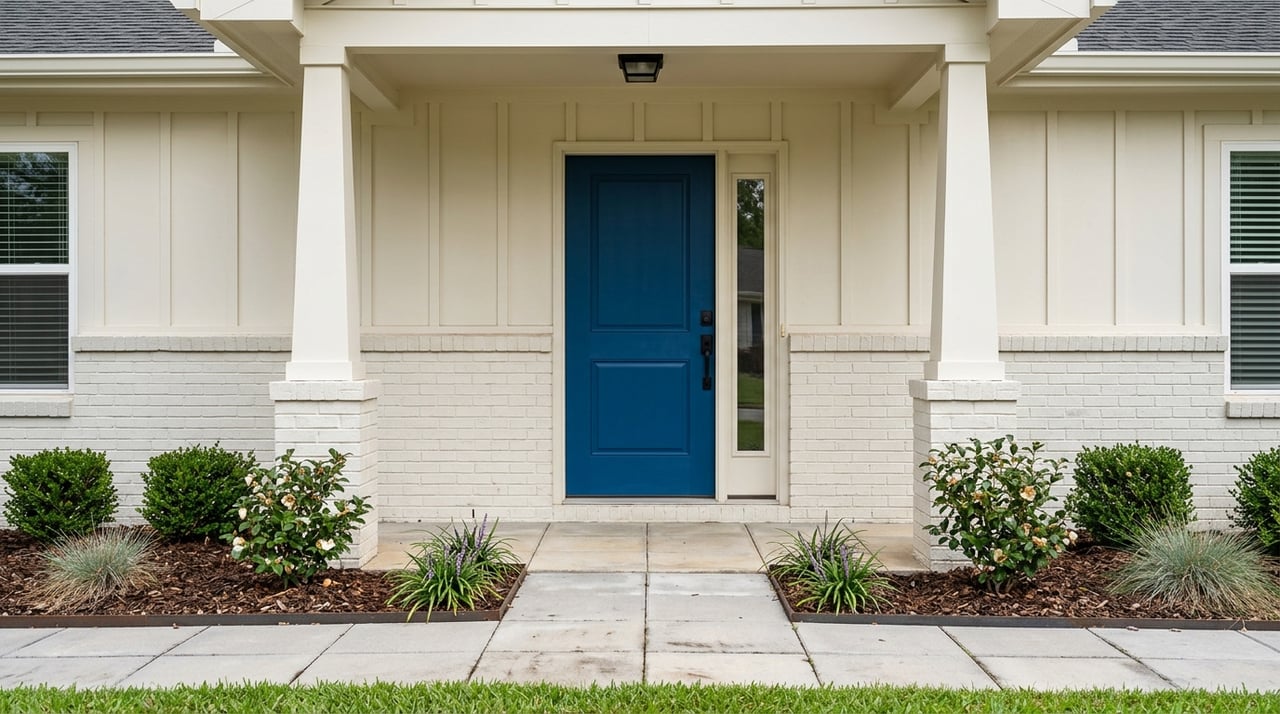
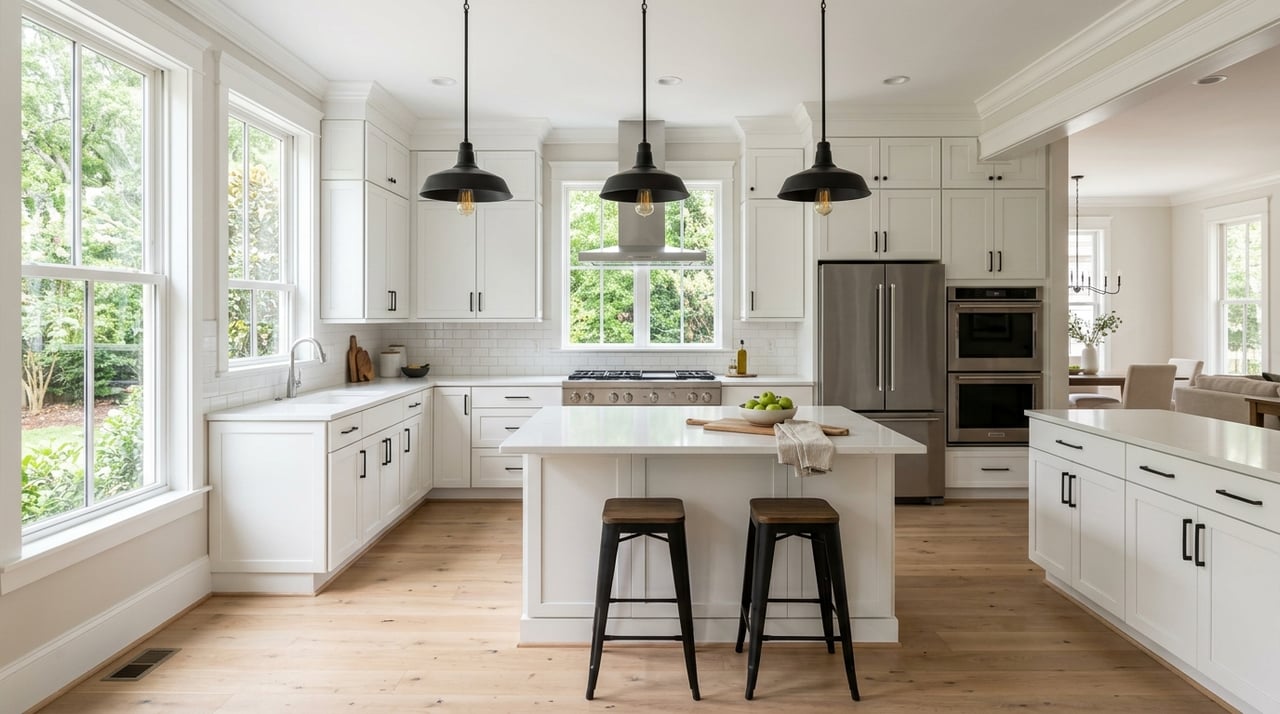
- Decide which projects to do and which to skip. Use Remodeling’s Cost vs. Value data to focus on projects with stronger payback, like a minor kitchen refresh, new entry or garage door, siding repair, paint, decking, and curb appeal. Explore typical ROI patterns at Cost vs. Value.
- Plan staging and professional photography. NAR surveys show staging helps buyers visualize the home and can shorten days on market in some areas. See why staging still matters.
0–6 weeks before listing
- Finalize your price band and launch strategy tied to the CMA. Decide on showing plans, open houses, and digital marketing.
- Prepare disclosures and paperwork. South Carolina requires a Residential Property Condition Disclosure form. Be transparent about known issues, and include any inspection documents. Review the state requirement here: South Carolina property disclosure law.
0–8 weeks after listing
- Track showings and feedback weekly. If traffic is soft after the first 2–3 weeks, consider a timely, meaningful adjustment that reaches a new buyer bracket. See guidance on right-sizing an adjustment here: pricing strategy overview.
- When offers arrive, weigh more than price. Consider closing timeline, contingencies, and earnest money. A strong, clean offer can beat a slightly higher but riskier one.
Common pricing mistakes to avoid
- Overpricing to “test the market.” This often leads to more days on market and larger later discounts. Plan a review window and let the data guide your next move. Read an overview of why timing and clarity matter in this pricing strategy resource.
- Skipping a pre-listing inspection or failing to disclose issues. Surprises later can derail a deal. In South Carolina you must deliver the property condition disclosure and update it if new facts emerge. See the state disclosure requirement.
- Neglecting presentation and photos. Most buyers discover homes online first, and poor visuals reduce showings and offers. NAR’s data explains how staging supports buyer visualization.
- Treating online estimates as final truth. AVMs can’t see condition, craftsmanship, or your new roof. Use them as a starting point, then lean on a verified MLS CMA.
- Ignoring closing costs in your net. Build a seller net sheet early so your price strategy aligns with expected costs like deed stamps, attorney fees, and commissions.
What to ask your agent
- Can you show me 6–12 comps you’d use, with the specific adjustments and why you made them?
- What is today’s active inventory and months’ supply for my subdivision and for Pickens County?
- If we list in a given month, what comparable homes listed then, and how quickly did they sell?
- Which repairs or updates should I consider, and what is the likely cost and payback based on Cost vs. Value?
- What marketing will you run to reach my likely buyer pool, including MLS, professional photos, staging, and targeted digital exposure?
Ready to set your price with confidence?
A strategic list price starts with hyperlocal data and a plan you can defend. When you pair a tight CMA with smart presentation and a clear review window, you take control of timing and net proceeds. If you’re thinking about selling in Pickens or across the Upstate, our boutique team can help you price precisely, present beautifully, and reach the right buyers.
Have questions or want a custom CMA for your address? Connect with Southern Real Estate and Development, Inc. to get your instant home valuation or schedule a consultation.
FAQs
How should a Pickens seller use city vs. county prices?
- Use city-level figures for quick context, but rely on a CMA built from recent MLS closed sales near your home, since county medians mix very different areas and property types.
What if my home is unique or updated compared with neighbors?
- Ask your agent to use paired-sales adjustments and interior photo comparisons to quantify your updates, then show how the adjusted comp range supports a specific price.
How long should I wait to adjust price if showings are slow?
- Review results after 14–21 days. If activity lags while similar homes are moving, consider a meaningful adjustment that places you in a broader search bracket.
How do rural Pickens properties affect pricing and timeline?
- Expect a smaller buyer pool, wider comp radius, and valuation based on acreage, access, and site quality. Marketing times can be longer, and documentation (survey, well, septic) helps.
Which pre-listing projects usually help value most?
- Target high-ROI, market-ready upgrades like minor kitchen refreshes, fresh paint, curb appeal, door replacements, and decking, guided by local comps and Cost vs. Value data.