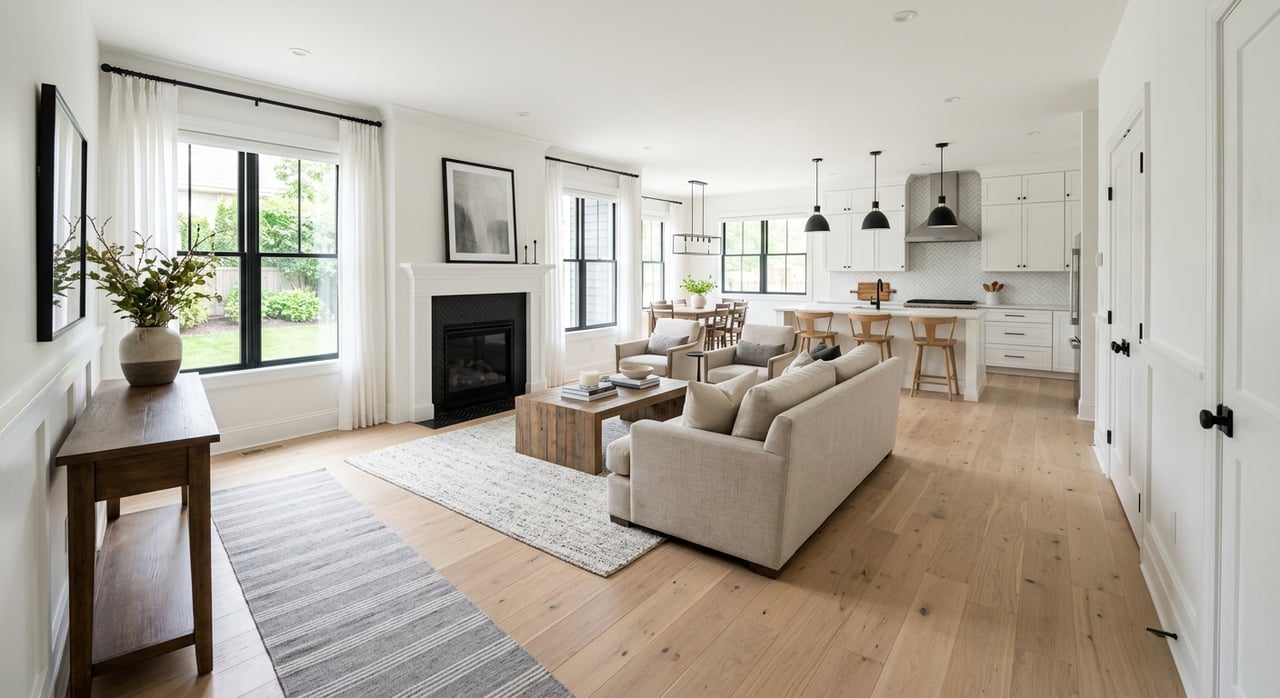
Buying a home in Anderson can feel exciting and overwhelming at the same time. You want to move quickly when the right property shows up, but you also do not want to miss an important step that could cost you time or money later. If you understand how the process works in Anderson, South Carolina, you can make clearer decisions from day one. Let’s walk through what to expect.
Anderson market basics
Before you start touring homes, it helps to know what kind of market you are stepping into. According to the latest Anderson housing market data from Redfin, the median sale price was $247,000 in February 2026, homes sold in about 91 days, and listings received around 2 offers on average.
That tells you Anderson is somewhat competitive, not a market where every home is guaranteed to trigger a bidding war, but not one where you can always wait around either. Redfin also reports a 98.7% sale-to-list ratio, with 23.8% of homes selling above list price and 20.4% seeing price drops. In practical terms, that means some homes will offer negotiation room, while well-priced properties may still attract multiple buyers.
Start with financing first
One of the smartest things you can do is handle your financing before you fall in love with a house. The Consumer Financial Protection Bureau recommends contacting multiple lenders, updating your budget, and getting a preapproval letter before getting serious about your search.
A preapproval helps you understand your price range, your likely monthly payment, and how strong your offer may look to a seller. In a market like Anderson, being preapproved can save valuable time if a home checks your boxes and you want to act quickly.
You also need to plan for more than just the down payment. The CFPB says closing costs typically range from 2% to 5% of the purchase price, not including your down payment. You may also need funds for moving expenses, repairs, utilities, homeowner's insurance, and ongoing maintenance.
Know your real budget
Your homebuying budget should include both your upfront cash needs and your future ownership costs. A monthly mortgage payment is only one part of the picture.
As you plan, make room for costs like:
- Down payment
- Closing costs
- Homeowner's insurance
- Property taxes
- Utilities
- Maintenance and repairs
- HOA fees, if applicable
- Moving and setup costs
This step matters because a home that looks affordable at first glance can feel very different once all the related costs are included.
Understand representation in South Carolina
In South Carolina, your relationship with a real estate professional has a formal legal meaning. The state disclosure form explains that at the first practical opportunity, licensees must give a meaningful explanation of brokerage relationships when they have substantive contact with you.
Under the South Carolina brokerage relationship disclosure form, you are considered a customer unless and until you sign a written agency agreement. That written agreement is what creates client-level representation. The same form also states that commissions are negotiable and that customer service alone does not create a buyer-agency relationship.
That is why it is helpful to understand who is representing you before you begin writing offers. Clear expectations early can make the rest of the process smoother.
Search for homes with a plan
Once your financing is lined up and you understand your representation, you can begin touring homes with more confidence. This is where your priorities matter most.
You may be comparing price, layout, lot size, condition, commute needs, or whether a property offers room for future projects. In the Anderson area, this can also include homes with acreage or properties that may have tax or land-use details worth reviewing more closely before you commit.
Write an offer with key deadlines in mind
When you find a home you want, your offer should do more than state a price. It should also account for the deadlines and protections that shape the rest of the transaction.
The research behind Anderson homebuying points to a practical takeaway: buyers are usually better positioned when financing, inspection plans, and offer terms are already decided before the home is under contract. That fits both the local market pace and CFPB guidance around preapproval and contingencies.
Your offer may include terms tied to:
- Financing
- Inspection timing
- Repair discussions
- Earnest money
- Closing timeline
Having these points mapped out in advance can reduce stress once the seller accepts.
Review seller disclosures carefully
South Carolina requires a residential property condition disclosure statement for most residential property before a contract is formed, unless an exemption applies or the contract states otherwise. Sellers must answer truthfully and update the form if new information makes an earlier answer inaccurate.
You can review the current South Carolina property condition disclosure statement to see the kinds of information sellers may be asked to provide. It is important to remember that the disclosure does not control the transfer by itself. The contract does.
For you as a buyer, the disclosure is a useful tool for spotting issues, asking follow-up questions, and deciding what deserves closer attention during inspections.
Deliver earnest money on time
Earnest money is one of those steps that sounds simple but carries real legal and timing implications. In South Carolina, trust funds received by a broker-in-charge in a sales transaction must be deposited in the trust account within 48 hours of receipt after written acceptance, excluding Saturdays, Sundays, and bank holidays.
The current South Carolina code also says that trust funds received by a licensee must be delivered to the broker-in-charge no later than the following business day. If there is a later dispute over the deposit, the funds remain in trust until resolved by written agreement, court order, interpleader action, or voluntary mediation, according to the state statute governing trust funds.
The key point is simple: once your offer is accepted, you need to be ready to move on earnest money and other contract deadlines promptly.
Schedule the inspection quickly
After your offer is accepted, the inspection period becomes one of the most important parts of the transaction. The CFPB recommends scheduling the home inspection as soon as possible and attending if you can.
An inspection and an appraisal are not the same thing. The CFPB explains that the lender generally requires the appraisal, while the inspection gives you a clearer picture of the home's condition. If either one reveals major issues, the path to closing can become more complicated.
If your contract includes an inspection contingency, you may be able to negotiate repairs, request credits, or cancel the contract without penalty if the results are unsatisfactory. That makes timing especially important.
Keep the appraisal and loan moving
Once you are under contract and have selected your loan, there is still plenty happening behind the scenes. The CFPB's closing guidance says buyers should expect to provide more documents, shop for homeowner's insurance, and prepare for the final loan process.
This is also when your lender orders the appraisal if needed. If the appraisal comes in lower than expected or repairs become an issue for the loan program, your closing timeline may need to be adjusted.
That is one reason a well-managed transaction matters. Many moving pieces have to stay aligned between contract, financing, inspections, and closing preparation.
Understand South Carolina closings
One of the biggest local differences for buyers moving to South Carolina is the closing structure. In South Carolina, residential closings are attorney-supervised.
The South Carolina Bar explains that lawyer supervision is required for key parts of the transaction, including abstracting title, preparing documents, closing, recording, and disbursing funds. In other words, title work and closing are not just administrative boxes to check. They are part of a legal process.
For buyers in Anderson, that means you will usually work with a closing attorney rather than a title-company-only setup. This is a normal part of the transaction here and an important layer of oversight before ownership officially transfers.
Watch for Anderson County tax details
Property taxes can surprise buyers if they assume the seller's current bill will stay the same after closing. In Anderson County, that is not always how it works.
According to the Anderson County Assessor, South Carolina counties reassess property every five years, and when property is purchased or transferred, it is generally reassessed at full fair market value the following tax year rather than remaining under the 15% cap that can apply when no transfer occurs. The county also states that a legal residence is assessed at 4%, while other residential property is generally assessed at 6%.
If the home will be your primary residence, you should file the legal-residence application after moving in and before January 15, when property taxes are due. This can affect what you owe going forward.
Special note for acreage and rural property
If you are buying land, a home on acreage, or property with a different current use, tax questions may deserve extra attention. Anderson County notes that if a property in agricultural use changes use, rollback taxes can be triggered.
That can matter in rural parts of the Anderson area or in transactions involving larger parcels. It is one more reason to review property-specific details carefully before the final wire goes out.
Review the Closing Disclosure before signing
As closing day approaches, your lender must provide the Closing Disclosure 3 business days before closing, according to the CFPB. This document outlines the final loan terms, projected payments, and closing costs.
Take time to compare the numbers to your earlier estimates and ask questions if something looks different than expected. The CFPB stresses that you should review all closing documents carefully because signing is the final step in the purchase.
By this point, your transaction should be coming together as one coordinated chain: financing, offer, earnest money, disclosures, inspection, title work, attorney-supervised closing, and final signing.
What the Anderson buying process really comes down to
If you are buying in Anderson, the process works best when you prepare early and stay organized through each stage. This market may allow some room for negotiation, but strong homes can still move fast, and South Carolina adds important legal and closing steps that buyers should understand from the start.
When you have local guidance, clear timelines, and a plan for financing, inspections, and closing, the path feels much more manageable. If you are thinking about buying in Anderson or elsewhere in the Upstate, Southern Real Estate and Development, Inc. can help you navigate the process with practical local insight and attentive support.
FAQs
What is the first step in the home buying process in Anderson, SC?
- The first step is usually getting your finances in order, updating your budget, and securing a mortgage preapproval before you begin a serious home search.
How competitive is the Anderson, SC housing market for buyers?
- Anderson is considered a somewhat competitive market, with homes averaging about 2 offers and some properties selling above list price, while others see price reductions.
What closing costs should buyers expect in Anderson, SC?
- Based on CFPB guidance, buyers should generally expect closing costs of about 2% to 5% of the purchase price, not including the down payment.
How does earnest money work in a South Carolina home purchase?
- After written acceptance, earnest money must be handled under South Carolina trust account rules, with quick delivery and deposit timelines that buyers should be ready to meet.
Do buyers need a closing attorney in Anderson, SC?
- Yes. South Carolina residential closings are attorney-supervised, so buyers in Anderson typically work with a closing attorney for title review, document preparation, closing, and recording.
Why might property taxes change after buying a home in Anderson County?
- After a transfer, property is generally reassessed at fair market value the following tax year, and the tax rate may differ depending on whether the property qualifies as a legal residence or another residential classification.